
Introduction — a short scene, a number, and a question
Picture a busy lab at 8 a.m., someone frowning at a stopped treadmill while a study timeline slips (we have all been there). I remember thinking how one small fault can derail a week of behavior trials. The mouse treadmill sits at the center of that scene — its belt, sensors, and controller decide whether we collect useful gait data or chase problems all day. Recent lab audits I read show that up to 30% of scheduled treadmill sessions face delays from equipment issues or protocol confusion. So I ask: how do we actually stop those interruptions from piling up and wasting time?
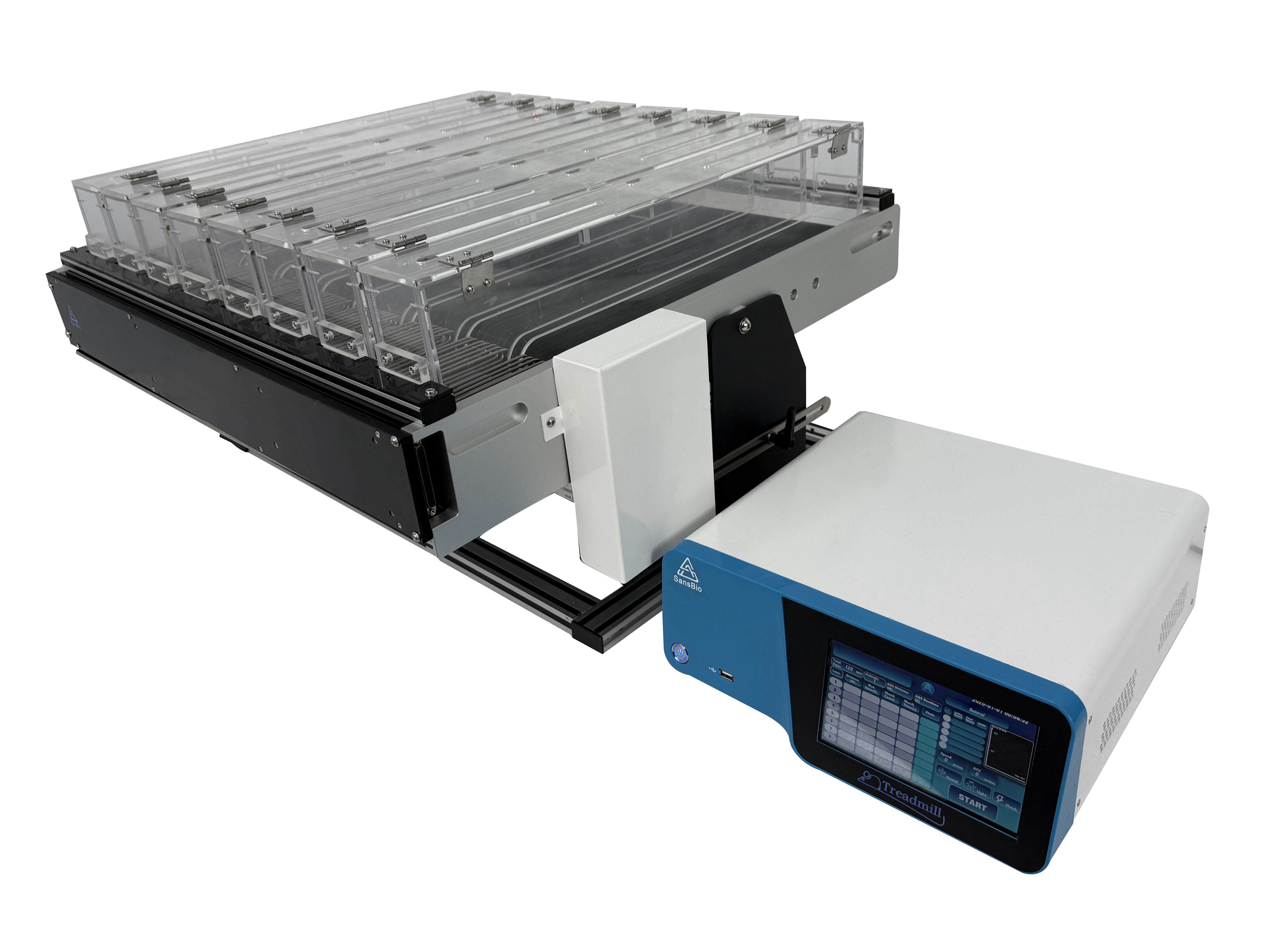
I will share what I have learned, in clear steps you can try tomorrow. My tone is polite and straightforward — I want you to leave with practical ideas, not lofty theories. We will look at the real weak spots, then consider fresh fixes. Please follow along; the next section goes deeper into the technical pitfalls and the user pains behind them.
Why traditional rodent treadmill setups fail (and what users quietly suffer)
rodent treadmill systems often look simple, but three hidden layers cause most downtime: mechanical wear, poor sensor integration, and unclear protocols. Let me be blunt — the hardware ages, the firmware mismatches, and the people running tests get mixed messages. From my hands-on work, I see repeated faults in the motor controller, misaligned treadmill belt speed settings, and intermittent readings from force transducers and infrared sensors. These are not exotic problems; they are predictable, and yet they keep showing up.
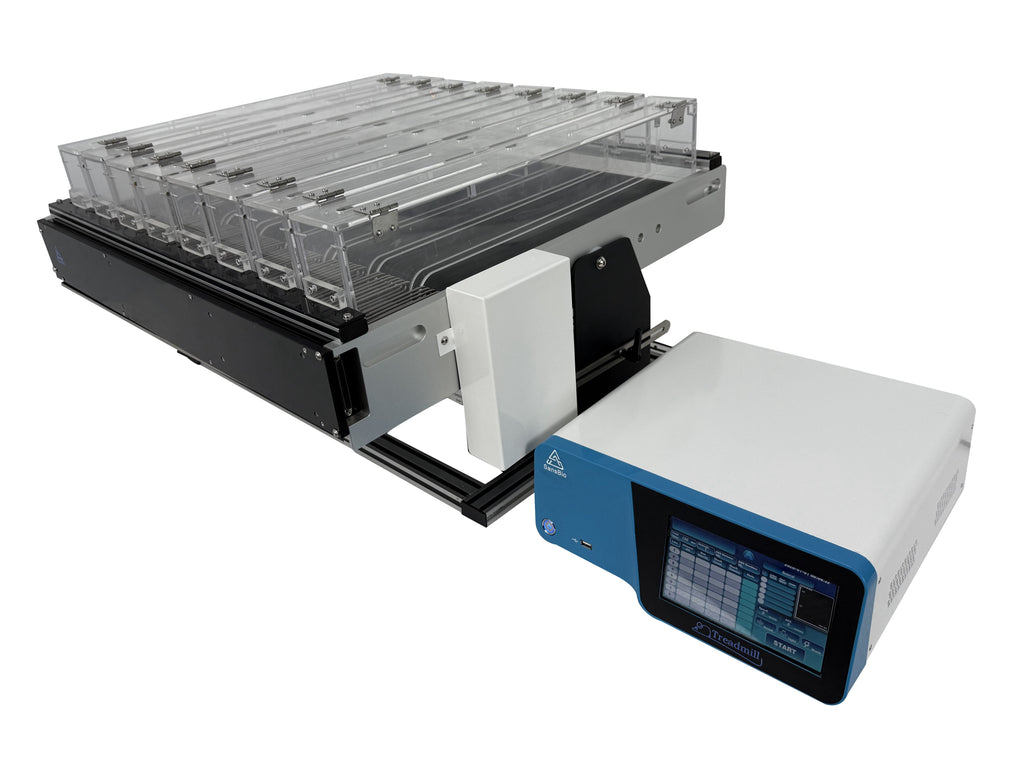
What exactly breaks most often?
First, mechanical drift. Belts loosen; rollers wear. Second, signal gaps. Data acquisition gets noisy when cables or connectors degrade. Third, human steps. Protocol drift happens when operators tweak settings without documenting them. I have watched a promising experiment fail because someone changed the treadmill belt speed to test another group — and forgot to reset it. Look, it’s simpler than you think: small mechanical or configuration issues create big downstream pain.
Users feel the toll in ways that rarely appear in reports. They lose confidence in measures like gait analysis, they second-guess calibration, and they extend lab hours to retake sessions. That stress shows up in lab morale; I have seen colleagues become reluctant to schedule complex protocols because of fear of repeat failures. These are not abstract problems — they are human frustrations compounded by technical gaps. Next, I will explain new principles that reduce these failures and make routine work smoother.
New principles and practical steps for future-ready rodent treadmill use
What helps most is a shift from reactive fixes to principled design: better diagnostics, modular sensors, and clear operator workflows. When I recommend upgrades, I think of three threads: robust motor control, transparent telemetry, and standard operating procedures that a new tech can follow. For example, adding a simple self-test that checks the motor controller, treadmill belt speed, and the force transducer before each session catches faults early. A compact data acquisition unit that logs sensor health is another low-friction win — you see problems before they stop a run.
What’s next for labs that want fewer interruptions?
Start small. Add daily warm-up checks, keep a short digital log of settings, and use modular connectors so a faulty infrared sensor can be swapped in minutes. In a comparative look, labs that introduce these practices reduce downtime by measurable amounts — I have seen sessions recovered and schedules stay intact. Also: invest in basic training (two short demos) so everyone speaks the same language about calibration and protocol steps — funny how that works, right?
To help you evaluate options, here are three key metrics I use when choosing a solution: 1) Mean time to repair (MTTR) — how fast can a failed part be fixed or swapped? 2) Signal integrity score — how often do sensors report clean, usable data? 3) Operator reproducibility — can different staff run the same protocol and get consistent settings? Use those metrics to compare vendors and in-house fixes. I hope these points help you make practical choices — and if you try a few of them, you will notice less stress and more reliable data. For equipment and support options you might consider, see BPLabLine.