
Choosing the perfect vertical art for wall placement can completely transform the look and feel of your home. While selecting beautiful artwork is important, displaying it in the right location is what truly allows it to shine. The right placement highlights architectural features, balances furniture, creates visual interest, and makes rooms feel more inviting.
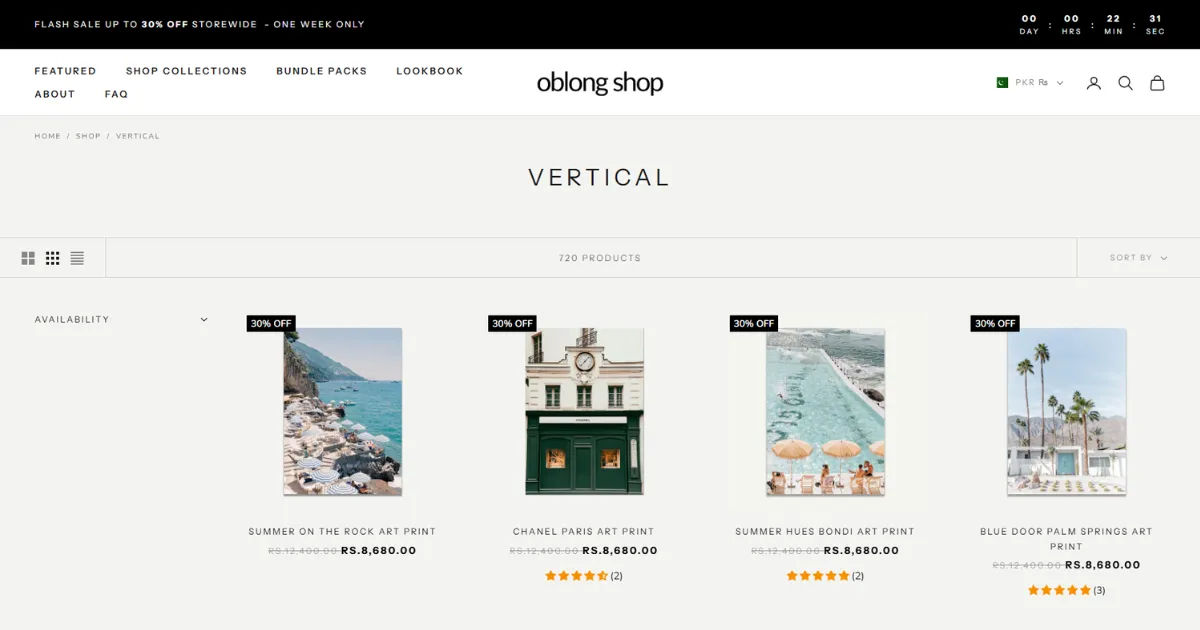
Many homeowners purchase artwork without considering where it will have the greatest impact. As a result, even stunning pieces can appear out of place or fail to complement the surrounding décor. Understanding where to display vertical art for wall helps maximize its beauty while improving the overall flow of your interior design.
Vertical artwork naturally draws the eye upward, making ceilings appear taller and rooms feel more spacious. This makes it an excellent choice for homes with limited wall space, narrow hallways, or areas that need additional visual height. Whether your decorating style is modern, traditional, rustic, minimalist, or contemporary, vertical artwork fits effortlessly into almost every design theme.This comprehensive guide explores the best places to display vertical artwork, how to match it with different rooms, and practical tips for achieving a balanced and professional appearance.
Why Vertical Artwork Makes Such a Strong Visual Statement
Before deciding where artwork belongs, it helps to understand why vertical pieces are so effective.
Unlike horizontal artwork, vertical designs naturally emphasize height. They encourage the viewer's eyes to travel upward, making walls seem larger and rooms feel more open. This simple design principle explains why many interior designers use tall artwork in homes with average ceiling heights.
Another advantage is flexibility. Vertical artwork works exceptionally well on walls that cannot accommodate large landscape-oriented pieces. Tall spaces between windows, beside doors, near staircases, and narrow entryways become opportunities for beautiful decoration rather than forgotten spaces.
In addition, vertical art for wall creates elegant focal points without overwhelming the room.
Display Vertical Artwork in the Entryway
Create an Excellent First Impression
The entryway introduces guests to your home's personality. Since first impressions matter, this space deserves thoughtful decoration.
A single vertical artwork immediately catches attention when someone enters your home. It provides visual interest while making the entrance feel welcoming.
Tall artwork also works well because entryways often have narrow walls that cannot support oversized horizontal paintings.
Pair with Functional Furniture
Position artwork above:
-
Console tables
-
Storage cabinets
-
Entry benches
-
Decorative chests
Leave enough space between furniture and artwork so each element has room to breathe visually.
Add Complementary Accessories
Complete the arrangement using:
-
Small lamps
-
Decorative bowls
-
Indoor plants
-
Mirrors
-
Seasonal décor
The artwork becomes the centerpiece while accessories support the overall design.
Enhance the Living Room
The living room is one of the most popular places for vertical art for wall because it serves as the home's primary gathering area.
Above a Sofa
Many homeowners automatically choose wide artwork above sofas, but vertical pieces can also work beautifully.
Instead of one oversized horizontal canvas, consider:
-
Two matching vertical artworks
-
Three evenly spaced panels
-
A symmetrical arrangement
This creates balance while adding more height to the room.
Beside the Fireplace
Fireplaces naturally attract attention.
Placing tall artwork beside a fireplace helps frame the entire feature without competing with it.
This approach works particularly well in contemporary homes where simplicity is preferred.
Empty Corner Walls
Corners frequently become wasted decorating opportunities.
A large vertical artwork instantly fills these awkward spaces while preventing the room from feeling unfinished.
Decorate Dining Rooms with Vertical Elegance
Dining rooms benefit from artwork that encourages conversation while adding sophistication.
Beside a Buffet Cabinet
A buffet or sideboard creates the perfect anchor for tall artwork.
The combination provides visual balance while making the room feel professionally designed.
Feature Wall
If your dining room contains one large uninterrupted wall, choose a dramatic vertical piece as the main focal point.
This works especially well with:
-
Abstract paintings
-
Botanical prints
-
Nature photography
-
Textured canvases
Transform Hallways into Art Galleries
Hallways often receive little decorating attention despite connecting the entire home.
Long Narrow Hallways
Several evenly spaced vertical artworks create the feeling of walking through a private gallery.
Maintain equal spacing for a polished appearance.
End of the Hallway
A large vertical artwork placed at the hallway's end naturally draws visitors forward.
This technique makes the hallway feel longer while creating a destination point.
Add Character to Staircases
Staircases provide one of the most overlooked opportunities for displaying vertical art for wall.
Because stair walls naturally extend upward, tall artwork complements their architecture perfectly.
Single Oversized Artwork
One dramatic piece creates a luxurious appearance.
This works particularly well in homes with:
-
High ceilings
-
Open staircases
-
Modern architecture
Multiple Coordinated Pieces
Arrange several vertical artworks to follow the staircase's angle.
This creates movement while guiding the eye upward naturally.
Improve Bedroom Décor
Bedrooms should feel calm, relaxing, and personal.
Vertical artwork contributes to this atmosphere without creating unnecessary visual clutter.
Above the Bed
Although horizontal artwork remains popular, paired vertical pieces can create a more refined appearance.
Place matching artworks on each side above the headboard for symmetry.
Beside Dressers
Dressers often leave unused wall space above them.
A tall canvas fills this area beautifully while adding personality to the room.
Reading Corners
If your bedroom includes a chair or reading nook, hang a vertical artwork nearby to define the space.
Soft landscapes, floral artwork, or calming abstract designs work especially well.
Make Home Offices More Inspiring
Working from home has become increasingly common, making office décor more important than ever.
Thoughtfully placed vertical art for wall improves creativity while making workspaces feel more enjoyable.
Behind the Desk
The wall behind your desk often appears during video meetings.
Elegant artwork creates a polished professional background.
Beside Bookshelves
Bookshelves can dominate office walls.
Adding vertical artwork beside shelving softens the room while introducing color and texture.
Motivation Wall
Inspirational artwork featuring nature, architecture, or abstract designs can encourage productivity without becoming distracting.
Bring Life to Bathrooms
Bathrooms may be small, but they still benefit from carefully selected artwork.
Tall pieces fit surprisingly well because bathrooms often contain narrow walls between mirrors, windows, or cabinets.
Choose moisture-resistant framed artwork or high-quality canvas prints designed for humid environments.
Soft coastal themes, botanical illustrations, and minimalist artwork are excellent choices for these spaces.
Style the Kitchen with Vertical Artwork
Kitchens are no longer purely functional rooms. Modern kitchens often serve as social gathering spaces, making artwork a valuable decorative addition.
Hang vertical artwork on walls that are free from excessive heat, steam, or food splatter. Spaces beside pantry doors, breakfast nooks, or coffee stations are ideal locations.
Food-inspired prints, herbs, vineyards, fruit illustrations, or abstract pieces in warm colors can add personality without overwhelming the room.
Fill Narrow Wall Spaces
One of the greatest strengths of vertical art for wall is its ability to decorate spaces that would otherwise remain empty.
Examples include:
-
Between two windows
-
Next to closets
-
Beside sliding doors
-
Near built-in shelves
-
Between cabinetry
Rather than leaving these areas blank, a tall artwork introduces balance and visual continuity throughout the home.
Vertical pieces also prevent narrow walls from appearing disconnected from the rest of the room. Instead, they become intentional design features that contribute to a cohesive interior.
Display Vertical Artwork in Small Apartments
Limited square footage does not mean you have to sacrifice style. In fact, vertical art for wall is one of the best decorating choices for apartments because it uses height instead of width. This creates the illusion of larger living spaces without taking up valuable floor area.
Maximize Vertical Space
Apartment walls are often narrow due to windows, doors, and built-in storage. A tall artwork fits naturally into these spaces while making ceilings appear higher.
Instead of crowding walls with several small decorations, choose one statement piece that instantly captures attention.
Keep the Room Open
Large horizontal artwork may visually shorten a room. Vertical pieces encourage the eye to move upward, creating a brighter and more spacious atmosphere.
This simple design trick works especially well in studio apartments and compact living rooms.
Highlight High Ceilings
Homes with vaulted or high ceilings benefit greatly from tall artwork.
Without proper decoration, these walls may feel empty or disconnected from the rest of the room.
Fill Empty Wall Space
A large piece of vertical art for wall helps reduce the appearance of excessive blank space.
Choose artwork that matches the scale of the room rather than selecting pieces that appear too small.
Create Better Balance
Tall ceilings naturally create visual weight above eye level.
Vertical artwork balances this height while making furniture feel connected to the architecture.
Use Vertical Artwork Between Windows
The narrow wall between two windows is often ignored during decorating.
However, this space provides an ideal location for vertical artwork.
Since natural light surrounds the artwork, colors become more vibrant throughout the day.
Avoid oversized frames that block window trim. Instead, select artwork that complements the available space while leaving a comfortable border around each side.
Decorate Around Interior Doors
Doors naturally divide wall space.
Rather than leaving the surrounding walls empty, place vertical art for wall beside the doorway.
This technique works particularly well in:
-
Bedrooms
-
Hallways
-
Home offices
-
Laundry rooms
-
Dining rooms
Artwork beside doors softens architectural lines while making the transition between rooms feel intentional.
Style Empty Corners
Many homeowners struggle with unused corners.
Adding furniture isn't always practical, but artwork offers an easy solution.
Hang a vertical canvas above a decorative plant, floor vase, or accent chair.
Together they create a finished design without overcrowding the room.
Combine Artwork with Mirrors
Mirrors and artwork complement each other beautifully.
Mirrors reflect natural light while artwork introduces color and personality.
For example:
-
Mirror on one side
-
Tall artwork on the opposite side
This balanced arrangement works well in entryways, dining rooms, bedrooms, and living rooms.
Match Artwork with Furniture Scale
Choosing the right location also means considering furniture proportions.
Artwork should never appear too large or too small compared to nearby furniture.
Above Console Tables
The artwork should generally measure around two-thirds the width of the table beneath it.
Above Sofas
Instead of placing one narrow piece, consider two matching vertical artworks to achieve better balance.
Above Cabinets
Leave approximately 6 to 10 inches of space between the furniture and the bottom of the artwork.
Proper spacing creates a clean and professional appearance.
Select the Right Height
Even beautiful artwork loses its impact when hung incorrectly.
Eye-Level Placement
For most rooms, position the center of the artwork around eye level.
This makes viewing comfortable while maintaining visual balance.
Consider Ceiling Height
Higher ceilings may require artwork to be placed slightly higher, but avoid hanging pieces too close to the ceiling.
Artwork should feel connected to the furniture rather than floating independently.
Consider Natural Lighting
Lighting dramatically influences how artwork appears.
Place vertical art for wall where it benefits from gentle natural light without prolonged direct sunlight.
Excessive sunlight may gradually fade colors over time.
If natural lighting is limited, install picture lights or adjustable wall lighting to enhance the artwork.
Warm lighting creates a welcoming atmosphere, while neutral lighting accurately displays colors.
Coordinate Colors with Your Interior
Placement is only one part of successful decorating.
Artwork should also coordinate with your room's existing color palette.
Neutral Interiors
Choose artwork featuring:
-
Black
-
White
-
Gray
-
Beige
-
Earth tones
These colors maintain a sophisticated appearance.
Bold Interiors
Bright abstract paintings or colorful botanical artwork can become striking focal points.
The goal is to complement—not compete with—the surrounding décor.
Use Vertical Artwork to Define Spaces
Open-concept homes often combine several living areas into one large room.
Artwork can visually separate these spaces without adding walls.
For example:
-
A tall artwork beside the dining table defines the dining area.
-
Another piece near the reading chair establishes a cozy relaxation zone.
-
Artwork beside the office desk distinguishes the workspace from the living room.
This creates organization while maintaining an open layout.
Seasonal Decorating with Vertical Artwork
One advantage of framed artwork is flexibility.
Many homeowners rotate artwork throughout the year.
Spring may feature floral prints.
Summer often includes coastal scenes.
Autumn introduces warm landscapes.
Winter displays snowy scenery or minimalist designs.
Changing artwork seasonally keeps interiors feeling fresh without replacing furniture.
Common Mistakes to Avoid
Even experienced decorators occasionally make placement mistakes.
Avoid these common problems when displaying vertical art for wall.
Hanging Artwork Too High
This is the most common decorating mistake.
Artwork should relate to nearby furniture rather than sitting near the ceiling.
Choosing Artwork That's Too Small
Tiny artwork on a large wall often appears lost.
Select pieces that match the scale of the available space.
Ignoring Room Function
Artwork should complement the room's purpose.
Relaxing bedrooms benefit from calming imagery, while home offices may feature inspiring or energetic designs.
Overcrowding the Wall
Too many decorative elements create visual confusion.
Leave enough empty space around artwork so it becomes the natural focal point.
Poor Color Coordination
Artwork should harmonize with flooring, furniture, curtains, rugs, and accent pieces.
Matching every color exactly is unnecessary, but the overall palette should feel cohesive.
Professional Styling Tips
Interior designers often follow several simple principles when displaying artwork.
-
Measure your wall before purchasing artwork.
-
Use painter's tape to outline the artwork's size before hanging it.
-
Keep spacing consistent when displaying multiple pieces.
-
Mix textures for greater visual interest.
-
Use proper hanging hardware for heavier artwork.
-
Consider the room from multiple viewing angles before making the final placement.
-
Allow artwork to complement architectural features instead of covering them.
-
Refresh your displays occasionally to give familiar rooms a new look.
These small details can make your home feel thoughtfully designed and visually balanced.
Conclusion
Finding the ideal location for vertical art for wall is about more than filling empty space. Proper placement enhances the proportions of a room, creates natural focal points, and reflects your personal style. Whether displayed in an entryway, living room, bedroom, staircase, hallway, dining room, kitchen, bathroom, or home office, vertical artwork adds elegance and visual height that horizontal pieces often cannot achieve.
Successful placement also depends on factors such as lighting, furniture scale, wall size, and color coordination. Taking time to evaluate each room ensures that every piece feels intentional and contributes to a cohesive interior design. Even narrow walls, empty corners, and overlooked spaces can become standout features with the right artwork.
Ultimately, decorating with vertical art for wall is one of the easiest and most effective ways to elevate your home's appearance. By selecting suitable locations, maintaining proper spacing, and matching artwork to your décor, you can create inviting spaces that feel balanced, stylish, and timeless. Whether your home is large or small, traditional or modern, thoughtfully displayed vertical artwork will continue to enhance your interiors for years to come.