
Low carbon heating solutions refer to heating systems that produce significantly lower carbon emissions compared to traditional gas or oil boilers. Instead of burning fossil fuels, they use renewable energy sources or highly efficient electricity-based technologies.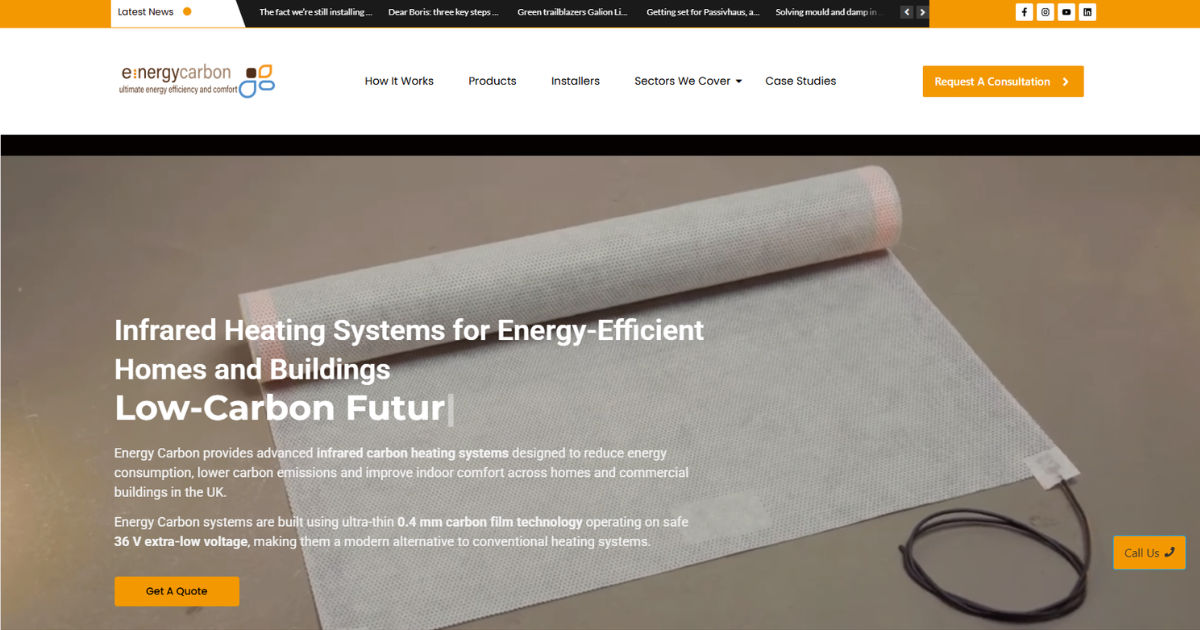
In the UK, heating homes is responsible for around a quarter of national carbon emissions, making it one of the most important areas for improvement in climate action.
Because of this, the government and energy industry are promoting cleaner alternatives such as heat pumps, hydrogen systems, and renewable heating technologies.
Why the UK is Moving Toward Low Carbon Heating Solutions
The shift toward low carbon heating solutions is not random—it is driven by environmental, economic, and policy reasons.
Climate Change and Net Zero Goals
The UK has legally committed to reaching net-zero carbon emissions by 2050. This means almost all home heating must stop producing greenhouse gases over time.
High Gas Dependence
Most UK homes still rely on natural gas boilers. Burning gas releases carbon dioxide, which contributes to global warming.
Energy Security
Reducing reliance on imported gas helps protect households from global price fluctuations and supply disruptions.
Improving Efficiency
Many modern low carbon heating solutions are far more efficient than traditional boilers, meaning they waste less energy while producing the same amount of heat.
Main Types of Low Carbon Heating Solutions in UK Homes
There are several technologies considered part of low carbon heating solutions. Each works differently and suits different types of homes.
Heat Pumps: The Leading Low Carbon Heating Solution
Heat pumps are currently the most widely recommended option for UK homes.
How Heat Pumps Work
Heat pumps do not create heat by burning fuel. Instead, they transfer heat from outside air or the ground into your home.
There are two main types:
- Air source heat pumps
- Ground source heat pumps
They use electricity but are extremely efficient because they produce more heat energy than the electricity they consume.
Why Heat Pumps Are Popular
Heat pumps are considered one of the most effective low carbon heating solutions because:
- They reduce carbon emissions significantly
- They work even in cold UK weather
- They can integrate with renewable electricity
Government support schemes also encourage their installation to speed up adoption.
Limitations
- Higher installation cost
- Works best in well-insulated homes
- Needs outdoor space for installation
Hydrogen Boilers: A Developing Low Carbon Heating Solution
Hydrogen is being explored as another option for low carbon heating solutions in UK homes.
How Hydrogen Heating Works
Hydrogen boilers would work similarly to gas boilers but burn hydrogen instead of natural gas. When burned, hydrogen produces no carbon dioxide.
Benefits
- Can use existing heating system designs
- No carbon emissions during use
Challenges
- Still in testing phase in the UK
- Large-scale production and distribution not fully ready
- Infrastructure changes needed
Because of these challenges, hydrogen heating is still uncertain as a mainstream solution, although research continues.
Biomass Boilers: Renewable but Niche Option
Biomass boilers are another form of low carbon heating solutions that burn organic materials such as wood pellets or chips.
How Biomass Systems Work
They burn natural materials to generate heat, similar to traditional boilers but using renewable fuel sources.
Advantages
- Fuel is renewable
- Can be carbon-neutral if sourced sustainably
- Suitable for rural or off-grid homes
Disadvantages
- Requires storage space for fuel
- Needs regular maintenance
- Not suitable for all urban homes
Biomass systems are more common in larger homes or rural areas rather than city housing.
Electric Heating and Heat Batteries
Electric heating systems are also part of modern low carbon heating solutions, especially when powered by renewable electricity.
Direct Electric Heating
These systems use electricity directly to generate heat. Examples include:
- Electric radiators
- Infrared panels
Heat Batteries
Heat batteries store energy during off-peak times and release heat when needed. This helps reduce energy costs and balance electricity demand.
Pros
- Easy to install
- No combustion or fuel storage needed
- Can work well with solar panels
Cons
- Electricity can be expensive
- Not always as efficient as heat pumps
Solar Thermal Heating Systems
Solar thermal systems use sunlight to heat water for home use.
How They Work
Panels on the roof absorb solar energy and transfer heat to water stored in a tank.
Benefits
- Uses free renewable energy
- Reduces hot water heating costs
- Very low emissions
Limitations
- Depends on sunlight availability
- Usually needs backup heating system
Solar thermal is often used alongside other low carbon heating solutions.
District Heating Networks
District heating is a large-scale system where heat is produced in a central location and distributed to multiple homes.
How It Works
Instead of individual boilers, homes receive heat from a shared network of pipes.
Advantages
- Highly efficient at scale
- Can use renewable or waste heat sources
- Reduces individual installation costs
Disadvantages
- Requires major infrastructure
- Not available everywhere
This system is growing in urban redevelopment areas.
Hybrid Heating Systems
Hybrid systems combine traditional boilers with renewable technologies such as heat pumps.
How They Work
A heat pump handles most heating needs, while a boiler provides backup during very cold periods.
Benefits
- Flexible and reliable
- Easier transition from gas systems
- Lower emissions than full gas systems
Hybrid systems are often seen as a transitional form of low carbon heating solutions.
Costs of Low Carbon Heating Solutions
The cost of installing low carbon heating solutions varies depending on the technology.
Installation Costs
- Heat pumps: higher upfront cost but lower running cost
- Biomass systems: medium to high cost
- Electric systems: lower installation cost
Running Costs
- Heat pumps are highly efficient and can reduce long-term bills
- Electric systems depend on electricity prices
- Biomass depends on fuel supply costs
Government grants are often available to reduce upfront costs.
Benefits of Switching to Low Carbon Heating Solutions
Switching to low carbon heating solutions offers several long-term advantages.
Environmental Benefits
- Reduced greenhouse gas emissions
- Supports climate change goals
Financial Benefits
- Lower energy bills over time (especially with efficient systems)
- Access to government incentives
Energy Independence
- Less reliance on imported fossil fuels
- Better long-term energy stability
Property Value
Homes with modern heating systems are becoming more attractive to buyers.
Challenges of Low Carbon Heating Solutions
Despite their benefits, there are challenges to consider.
High Upfront Costs
Many systems require significant initial investment.
Home Suitability
Not all homes are suitable without upgrades like insulation.
Awareness and Skills Gap
Many homeowners still lack clear understanding of options.
Infrastructure Limitations
Some technologies, like hydrogen and district heating, need large-scale development.
The Future of Low Carbon Heating in the UK
The future of low carbon heating solutions is likely to be a mix of technologies rather than one single system.
Heat pumps are expected to dominate household heating, while hydrogen, biomass, and district heating may play smaller roles in specific areas.
As electricity becomes cleaner through wind, solar, and nuclear energy, electric heating systems will become even more environmentally friendly.
Innovation and government policy will continue to shape how quickly homes transition away from fossil fuels.
Conclusion
The transition to low carbon heating solutions is one of the most important changes happening in UK housing today. With rising energy costs, climate targets, and technological advances, homeowners are gradually moving away from traditional gas boilers toward cleaner alternatives like heat pumps, solar systems, and hybrid technologies.
Each solution has its own strengths and limitations, but all share the same goal: reducing carbon emissions while keeping homes warm and efficient.
In the coming years, these systems will become more affordable, more common, and better integrated into everyday life. Homeowners who understand their options today will be better prepared for the future of heating in the UK.