
The backyard pond waterfall installation process is one of the most popular ways to transform an ordinary yard into a relaxing outdoor space.
The backyard pond waterfall installation idea combines water movement, natural beauty, and peaceful sound, but one of the most common questions homeowners ask is how deep the pond should actually be.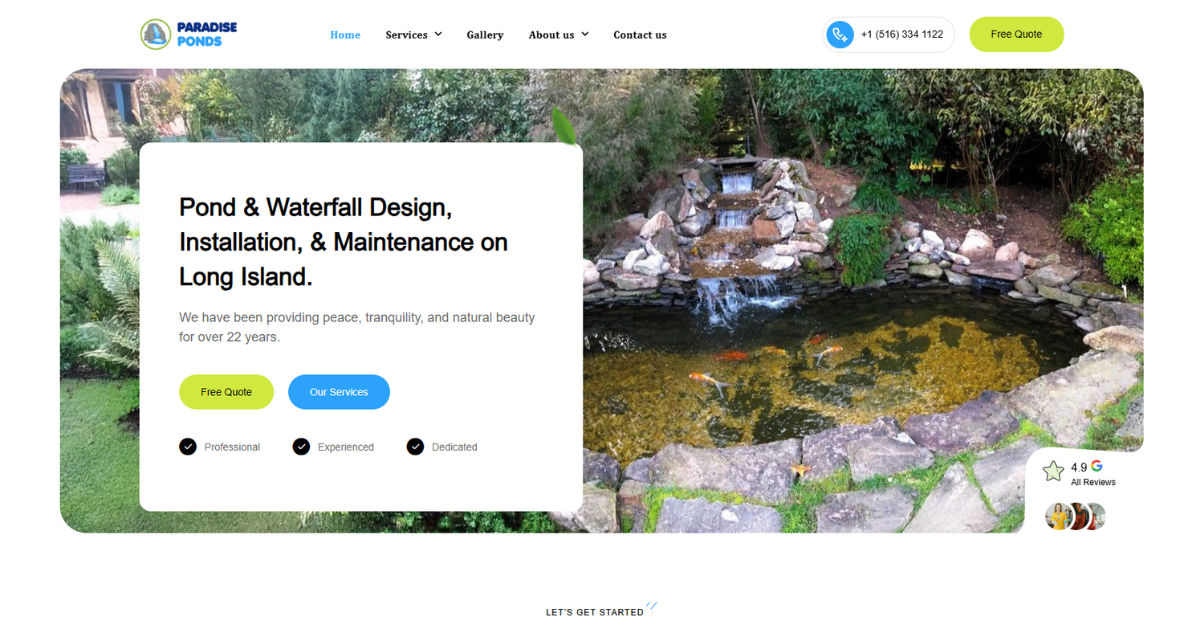
The depth is not just a design choice—it affects fish health, water quality, safety, and the overall performance of the waterfall system.
In this complete guide, we will explore everything you need to know about depth, design, safety, construction methods, and practical tips for a successful backyard pond waterfall installation.
You will learn standard depth ranges, why depth matters, and how to avoid common mistakes. This guide is written in simple language so even beginners can understand it easily.
The Purpose of Pond Depth
The first step in a successful backyard pond waterfall installation is understanding why depth matters so much. A pond is not just a decorative hole filled with water. It is a small ecosystem that must stay balanced.
Depth affects:
- Water temperature stability
- Oxygen levels
- Fish survival (if fish are included)
- Algae growth control
- Structural stability of the waterfall flow
A properly planned backyard pond waterfall installation ensures that water circulates correctly from deep zones to shallow edges. Without proper depth, water can overheat in summer or freeze too quickly in winter.
Standard Depth for Backyard Ponds
When planning a backyard pond waterfall installation, most experts recommend different depth zones depending on purpose.
Shallow decorative ponds
- Depth: 30–45 cm (1–1.5 feet)
- Best for: plants, decorative water features
- Not suitable for fish in extreme climates
Medium-depth ponds
- Depth: 60–90 cm (2–3 feet)
- Best for: small fish, balanced ecosystems
- Common in residential backyard pond waterfall installation projects
Deep ponds
- Depth: 90–120 cm (3–4 feet) or more
- Best for: koi fish, cold protection, stable ecosystems
- Recommended for advanced backyard pond waterfall installation designs
A deeper pond usually supports healthier water conditions, especially when combined with a waterfall system that oxygenates the water.
Ideal Depth for Waterfall Integration
A waterfall adds movement and oxygen, but it also influences how deep your pond should be. In most backyard pond waterfall installation designs, the waterfall itself does not require depth, but the receiving pond does.
For proper circulation:
- Minimum depth: 2 feet
- Ideal depth: 3 feet
- Optimal for koi: 4 feet or more
The waterfall continuously agitates the water surface, so deeper water helps maintain stable temperature layers. This is a key principle in any professional backyard pond waterfall installation.
Why Depth Matters for Fish
If your backyard pond waterfall installation includes fish, depth becomes even more important.
Fish need depth for:
- Protection from predators
- Temperature regulation
- Oxygen balance during hot weather
- Safe overwintering in cold regions
Shallow ponds can become dangerous for fish during summer heat or winter frost. A deeper pond ensures survival and reduces maintenance in a backyard pond waterfall installation system.
Soil Type and Depth Considerations
Soil conditions directly affect how deep you can safely dig during a backyard pond waterfall installation.
Clay soil
- Holds shape well
- Good for deeper ponds
- Less liner stress
Sandy soil
- Unstable walls
- Requires reinforcement
- May limit depth in backyard pond waterfall installation
Rocky soil
- Difficult excavation
- May increase cost
- Can support strong pond structure
Understanding soil type helps prevent collapse and water leakage issues in a backyard pond waterfall installation.
Waterfall Height vs Pond Depth Balance
A common mistake in backyard pond waterfall installation is focusing only on waterfall height while ignoring pond depth.
The balance works like this:
- Higher waterfall = more oxygenation needed
- Deeper pond = better absorption and stability
- Shallow pond + high waterfall = splash and evaporation problems
For example, if your waterfall is 1 meter high, your pond should ideally be at least 2–3 feet deep. This ensures smooth water cycling in a backyard pond waterfall installation.
Safety Considerations for Depth
Safety is often overlooked in backyard pond waterfall installation, especially in homes with children or pets.
Important safety guidelines:
- Do not create sudden deep drops near edges
- Use gradual slopes for entry points
- Add stones or barriers for protection
- Keep shallow zones near viewing areas
A well-designed depth layout in a backyard pond waterfall installation reduces drowning risks and makes the pond more user-friendly.
Recommended Depth Zones Design
Professional designers use multiple depth zones in a backyard pond waterfall installation to create natural balance.
Edge zone (shallow)
- Depth: 15–30 cm
- Plants and visual appeal
Middle zone
- Depth: 45–75 cm
- Fish movement and circulation
Deep zone
- Depth: 90–120 cm
- Temperature stability and fish refuge
This layered approach makes a backyard pond waterfall installation more natural and functional.
Impact of Climate on Depth
Climate plays a big role in determining depth for a backyard pond waterfall installation.
Hot climates
- Deeper ponds prevent overheating
- Reduce evaporation
- Maintain oxygen levels
Cold climates
- Depth prevents complete freezing
- Protects fish during winter
Moderate climates
- Medium depth is usually enough
- Easier maintenance
Climate-based planning improves long-term success of a backyard pond waterfall installation.
Pump and Filtration Depth Requirements
The pump system in a backyard pond waterfall installation also depends on depth.
- Deeper ponds need stronger pumps
- Filtration intake is usually placed in deeper zones
- Water circulation improves with proper depth placement
If the pond is too shallow, the pump may stir debris and reduce water clarity. A balanced depth ensures smooth operation in a backyard pond waterfall installation.
Excavation Process and Depth Control
During construction, controlling depth is one of the most important steps in a backyard pond waterfall installation.
Steps include:
- Marking layout boundaries
- Digging shallow areas first
- Gradually creating deeper zones
- Checking levels frequently
- Removing sharp rocks or roots
Precision during digging ensures structural strength in a backyard pond waterfall installation.
Liner Installation and Depth Compatibility
The pond liner must match the depth profile of a backyard pond waterfall installation.
Key points:
- Deeper ponds need thicker liners
- Smooth layering prevents tearing
- Extra liner material is required for deep zones
- Proper anchoring prevents slipping
Incorrect liner placement can ruin the entire backyard pond waterfall installation.
Common Depth Mistakes to Avoid
Many beginners make mistakes during backyard pond waterfall installation, especially with depth planning.
Common errors include:
- Making the entire pond too shallow
- Creating uneven depth without purpose
- Ignoring fish requirements
- Not considering seasonal changes
- Over-deepening without support
Avoiding these mistakes improves durability and aesthetics of a backyard pond waterfall installation.
Maintenance and Depth Relationship
Depth directly affects maintenance in a backyard pond waterfall installation.
Deeper ponds:
- Require less frequent cleaning
- Maintain stable algae levels
- Reduce temperature fluctuations
Shallow ponds:
- Need frequent water changes
- Grow algae faster
- Heat up quickly
So, choosing proper depth reduces long-term effort in a backyard pond waterfall installation.
Aesthetic Benefits of Proper Depth
Depth is not only functional but also visual. In a well-planned backyard pond waterfall installation, depth creates:
- Natural-looking water reflection
- Better waterfall flow appearance
- More realistic ecosystem design
- Visual contrast between shallow and deep zones
Depth variation adds beauty and realism to a backyard pond waterfall installation.
Cost Impact of Pond Depth
Depth also affects budget in a backyard pond waterfall installation.
Deeper ponds may require:
- More excavation work
- Stronger liners
- Larger pumps
- Extra safety features
However, shallow ponds may cost less initially but require more maintenance later. Proper planning balances cost and efficiency in a backyard pond waterfall installation.
Professional vs DIY Depth Planning
In DIY backyard pond waterfall installation, people often underestimate depth requirements. Professionals, however, carefully design depth zones.
Professionals ensure:
- Structural stability
- Water flow efficiency
- Proper fish habitat
- Long-term durability
DIY builders should study depth guidelines carefully before starting a backyard pond waterfall installation.
Seasonal Water Level Changes
Seasonal changes affect depth performance in a backyard pond waterfall installation.
- Summer: evaporation lowers water level
- Winter: freezing affects shallow areas
- Rainy season: overflow risks
Proper depth planning helps manage these seasonal changes effectively in a backyard pond waterfall installation.
Long-Term Durability and Depth Choice
A well-designed depth ensures long-term success of a backyard pond waterfall installation.
Benefits include:
- Reduced structural damage
- Better ecosystem balance
- Fewer repairs needed
- Longer lifespan of equipment
Depth is a foundation element that determines the durability of a backyard pond waterfall installation.
Conclusion
Understanding how deep a pond should be is essential for a successful backyard pond waterfall installation. Depth affects everything—from water quality and fish survival to maintenance needs and visual appeal. While shallow ponds may look simpler, they often create long-term problems, especially when combined with a waterfall system.
The ideal depth for most backyard pond waterfall installation projects ranges between 2 to 4 feet, depending on climate, fish type, and design goals. Shallow zones, medium zones, and deep zones together create a balanced ecosystem that is both beautiful and functional.
By carefully planning depth, choosing the right materials, and avoiding common mistakes, you can create a long-lasting and peaceful water feature. A well-executed backyard pond waterfall installation is not just a decoration—it becomes a living, breathing part of your outdoor space.