
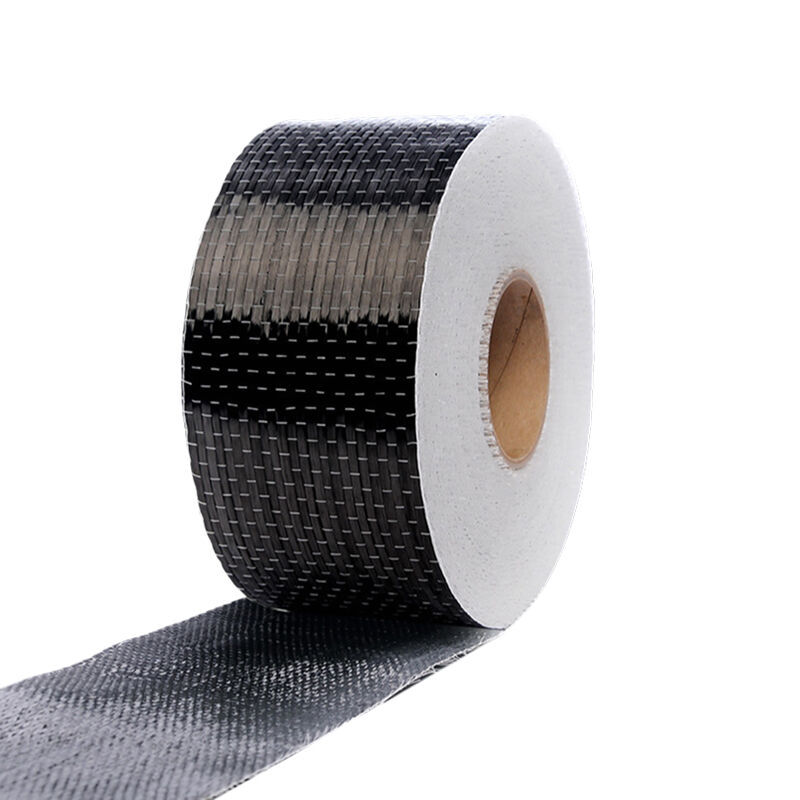
In the world of engineering, design, and manufacturing, material choices have a significant impact on performance, efficiency, and innovation. As industries continue to evolve, a growing trend toward using lightweight materials has emerged, especially with the increasing demand for higher performance, fuel efficiency, and sustainability. Among the materials leading the charge in this shift are carbon fiber and steel. Though steel has long been the cornerstone of construction and manufacturing, carbon fiber cloth is quickly gaining traction, especially in industries such as automotive, aerospace, and sports equipment. But what exactly makes carbon fiber so appealing compared to the more traditional, heavier steel?
The Basics of Carbon Fiber and Steel
Carbon Fiber is a polymer matrix composite material, made primarily of carbon atoms arranged in long chains. These fibers are incredibly strong and lightweight, often combined with a resin to form a solid material. The final product can be shaped into a variety of forms, from sheets and rods to intricate structures. Carbon fiber is known for its high tensile strength, stiffness, and low density, making it ideal for high-performance applications.
Steel, on the other hand, is a durable metal alloy made primarily of iron and carbon. It’s one of the oldest and most widely used materials in construction, automotive, and manufacturing. Steel’s primary advantages lie in its strength, versatility, and relatively low cost, though it’s significantly heavier than carbon fiber.
Strength-to-Weight Ratio
One of the key advantages of carbon fiber over steel is its exceptional strength-to-weight ratio. Carbon fiber is remarkably strong for its weight, meaning it can provide the same strength as steel but at a fraction of the mass. This property is especially beneficial in industries where weight reduction is a critical factor. For example, in the aerospace sector, reducing weight directly translates into better fuel efficiency and higher payload capacity. Similarly, in automotive design, lightweight materials like carbon fiber contribute to better acceleration, handling, and fuel economy.
In contrast, steel is much denser and heavier. While it is still incredibly strong and capable of withstanding immense forces, its weight can limit the potential for high-performance applications. In sectors like motorsport or aviation, every extra pound counts, making materials like carbon fiber much more desirable.
Durability and Resistance to Fatigue
When it comes to durability, carbon fiber offers a unique advantage over steel in terms of fatigue resistance. Carbon fiber doesn’t suffer from the same kind of wear and tear that steel does under repetitive loading. Steel can crack or fatigue over time, especially under constant stress. Carbon fiber, on the other hand, maintains its structural integrity longer, making it an ideal material for long-term, high-stress applications.
However, steel’s resistance to impacts and its ability to deform without breaking is another key strength. It’s more ductile than carbon fiber, which means it can absorb and distribute energy in ways that carbon fiber cannot, particularly in situations involving sharp impacts or crashes.
Cost Considerations
While carbon fiber offers exceptional performance, it doesn’t come without its challenges. One of the main drawbacks is its cost. Carbon fiber production is complex and labor-intensive, making it significantly more expensive than steel. This price discrepancy makes steel the material of choice for large-scale industries where cost-efficiency is a priority, such as construction and mass-market automotive production.
That said, the cost of carbon fiber is gradually decreasing as manufacturing processes improve and demand increases. The increasing adoption of carbon fiber in high-end vehicles and aircraft shows that, as production scales up, the material’s price may become more accessible.
Environmental Impact
Another area where lightweight materials are gaining favor is in sustainability. Carbon fiber, being lighter than steel, can contribute to lower carbon emissions, particularly in industries like automotive and aviation. A lighter vehicle consumes less fuel, reducing its overall environmental footprint. However, carbon fiber is notoriously difficult to recycle, posing challenges for its environmental sustainability in the long term.
Steel, while recyclable and widely available, does come with its own environmental challenges. The production of steel requires significant energy and contributes to carbon emissions. Yet, because steel can be recycled indefinitely without loss of quality, it remains a more sustainable option compared to carbon fiber in terms of lifecycle management.
Conclusion
In conclusion, the choice between carbon fiber and steel depends largely on the specific needs of an application. Carbon fiber’s lightweight nature, high strength-to-weight ratio, and resistance to fatigue make it a game-changer in high-performance industries where weight and strength are paramount. However, steel’s cost-effectiveness, versatility, and impact resistance still make it the material of choice for many industries.
As technology progresses, it’s likely that we will continue to see a growing use of lightweight materials like carbon fiber, especially as manufacturing costs decrease and sustainability becomes an even greater concern. Ultimately, the future of material science lies in the ability to select the right material for the right job, blending the best of both worlds.