
If you are dealing with a vehicle that won’t start, move, or drive, you might be wondering whether non-running car shipping UK services are actually available or practical.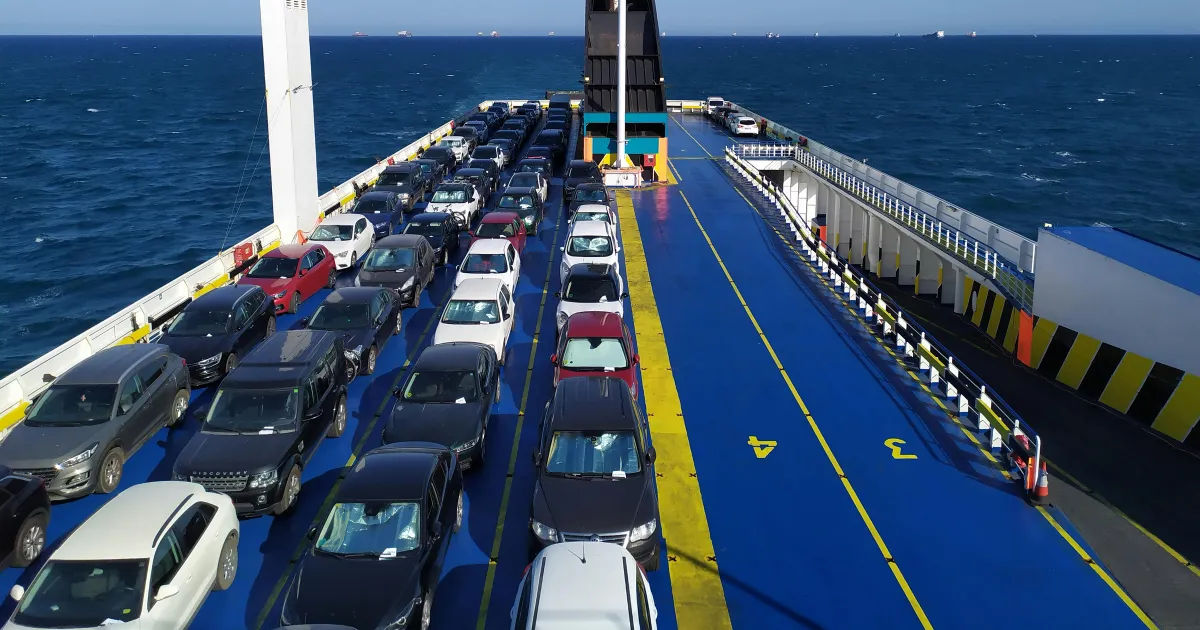
The short answer is yes, it can be arranged, and it is more common than many people think. Professional exporters and logistics companies handle thousands of broken, accident-damaged, or mechanically failed vehicles every year.
One of the most widely used methods for international transport is RORO shipping Southampton, which allows non-drivable vehicles to be safely loaded onto vessels using specialist equipment.
Whether your car has engine failure, electrical issues, or accident damage, there are structured solutions for non-running car shipping UK to move it securely from the UK to destinations worldwide. This guide explains how the process works, what options are available, how costs are calculated, and what you need to prepare before shipping a non-running vehicle.
Understanding Non-Running Car Shipping in the UK
Non-running vehicles require special handling because they cannot be driven onto transport carriers. Instead, they must be loaded using external equipment such as winches, forklifts, or cranes.
In the UK, logistics companies classify non-operational vehicles into different categories:
- Mechanical failure (engine or gearbox issues)
- Accident-damaged vehicles
- Vehicles with flat batteries or immobilization issues
- Long-term stored cars that no longer start
Non-running car shipping UK services are designed specifically for these situations, ensuring the vehicle is transported without causing further damage.
The key difference is handling method, not destination. Once loaded, the vehicle can be shipped anywhere in the world just like a working car.
Why Vehicles Become Non-Running Before Shipping
Understanding why a car is non-operational helps determine the correct shipping method.
Mechanical Issues
Engine failure, transmission breakdown, or seized components are common reasons.
Accident Damage
After collisions, vehicles may be unsafe or impossible to drive.
Electrical Failures
Modern cars depend heavily on electronics. A fault can completely immobilize the vehicle.
Storage Problems
Cars left unused for long periods may develop battery failure, tire issues, or fluid problems.
Regardless of the cause, non-running car shipping UK services are built to manage all of these conditions safely.
Main Methods for Shipping Non-Running Cars
There are several ways to transport a vehicle that does not run. The choice depends on budget, destination, and vehicle condition.
Roll-on Roll-off (RORO) Shipping
One of the most popular methods is RORO shipping Southampton, where vehicles are driven (or pushed) onto a specialized ship.
For non-running vehicles, loading is done using:
- Winch systems
- Tow tractors
- Hydraulic ramps
This method is cost-effective and widely used for international exports.
Container Shipping
Container shipping is another option, especially for valuable or fragile vehicles. A non-running car is loaded into a 20ft or 40ft container using forklifts or cranes.
Advantages include:
- Maximum protection
- No exposure to weather
- Added security
However, it is usually more expensive than RORO.
Flatbed or Recovery Transport (UK Movement Only)
Before export, vehicles are often moved within the UK using flatbed trucks or recovery vehicles. This is essential for delivering the car to ports like Southampton.
RORO Shipping Southampton Explained
Southampton is one of the UK’s busiest and most important ports for vehicle exports. It handles thousands of cars every week, including non-operational units.
RORO shipping Southampton is particularly popular because of its efficiency and lower cost compared to container shipping.
How It Works
- Vehicle is delivered to the port by recovery truck
- Port staff inspect and log the vehicle
- Specialized equipment loads the vehicle onto the ship
- Vehicle is secured inside the vessel
- Shipment is transported to the destination port
Even if the car does not start, it can still be safely loaded using hydraulic ramps or tow equipment.
Why Southampton Is Preferred
- High frequency of international sailings
- Experienced handling of non-running vehicles
- Efficient customs processing
- Lower storage and handling delays
For exporters, RORO shipping Southampton remains one of the most reliable solutions.
How Non-Running Car Shipping Works Step-by-Step
Shipping a non-operational car involves several structured stages.
Step 1: Vehicle Assessment
The condition is checked to determine how it will be moved.
Step 2: Booking Transport
A logistics company arranges pickup and shipping space.
Step 3: Collection Using Recovery Truck
Since the car cannot move, a flatbed transporter collects it.
Step 4: Port Delivery
The vehicle is delivered to ports like Southampton.
Step 5: Loading Process
Using winches or forklifts, the vehicle is placed onto the vessel.
Step 6: Ocean Transport
The ship carries the vehicle to the destination country.
This entire process is part of standard non-running car shipping UK operations.
Cost of Shipping Non-Running Vehicles
Costs vary depending on several factors.
Key Pricing Factors
- Vehicle size and weight
- Distance and destination country
- Shipping method (RORO vs container)
- Port fees (including RORO shipping Southampton handling charges)
- Recovery transport within the UK
Average Cost Range
- Short international routes: £500 – £1,200
- Long-distance overseas shipping: £1,200 – £3,500+
Non-running vehicles may cost slightly more due to extra loading requirements.
Challenges in Non-Running Car Shipping
Although non-running car shipping UK is well-established, there are challenges to consider.
Loading Complexity
Special equipment is needed to move the vehicle safely.
Port Restrictions
Some ports have strict rules on damaged vehicles.
Higher Handling Fees
Extra labor may be required during loading.
Timing Delays
If equipment is not available, shipment may be delayed.
Despite these challenges, experienced companies handle the process efficiently.
Insurance for Non-Running Car Transport
Insurance is essential when shipping a non-operational vehicle.
Most policies cover:
- Loading and unloading damage
- Transit damage during shipping
- Port handling risks
When using RORO shipping Southampton, insurance is especially important because multiple handling stages are involved.
Always confirm:
- Coverage limits
- Exclusions
- Claim process
Documentation Required
Shipping a non-running vehicle requires proper paperwork.
Essential Documents
- Vehicle registration certificate
- Proof of ownership
- Export declaration forms
- Identification documents
- Shipping invoice
Without correct documentation, non-running car shipping UK processes may be delayed at customs.
Choosing the Right Shipping Company
Not all logistics providers handle non-running vehicles equally.
What to Look For
- Experience with RORO shipping Southampton operations
- Equipment for non-drivable vehicles
- Transparent pricing
- Good customer reviews
- Proper insurance coverage
A reliable company ensures safe loading and smooth export handling.
Tips for Preparing a Non-Running Car for Shipping
Proper preparation reduces risks and delays.
Clean the Vehicle
Remove personal items and debris.
Secure Loose Parts
Tape or fasten broken components.
Drain Fuel if Required
Some shipping methods require reduced fuel levels.
Document Condition
Take photos before transport.
These steps are standard practice in non-running car shipping UK services.
Advantages of Non-Running Car Shipping Services
There are several benefits to using professional transport services.
Safe Handling
Special equipment prevents damage during loading.
Global Reach
Cars can be shipped worldwide regardless of condition.
Cost Efficiency
RORO methods, especially via RORO shipping Southampton, are affordable.
Convenience
No need to repair the vehicle before shipping.
When You Should Use Non-Running Car Shipping
This service is ideal when:
- The car is too expensive to repair locally
- You are exporting a damaged vehicle
- The car is a project or classic restoration
- The vehicle failed inspection but must be relocated
In all these cases, non-running car shipping UK offers a practical solution.
Future of Non-Running Vehicle Transport
The industry is evolving with better technology.
- Improved hydraulic loading systems
- Faster port operations at Southampton
- Enhanced tracking systems
- More efficient RORO shipping vessels
As logistics improves, RORO shipping Southampton will likely become even more streamlined.
Conclusion
Shipping a non-operational vehicle is no longer a complicated or rare process. With modern logistics systems in place, non-running car shipping UK services make it possible to transport damaged, broken, or inoperable vehicles safely across international borders.
Whether you choose container transport or RORO shipping Southampton, the process is designed to handle vehicles in any condition. From recovery collection to port loading and final delivery, each step is managed by trained professionals using specialized equipment.
While costs, documentation, and handling requirements may vary, the overall system is reliable and widely used across the UK. For anyone dealing with a vehicle that cannot be driven, these services provide a practical, efficient, and secure solution for global transport needs.