
Online gaming has changed the way people interact with digital worlds. Whether players are controlling characters, managing strategies, racing vehicles, or competing with others, controls are the connection between human decisions and in-game actions.
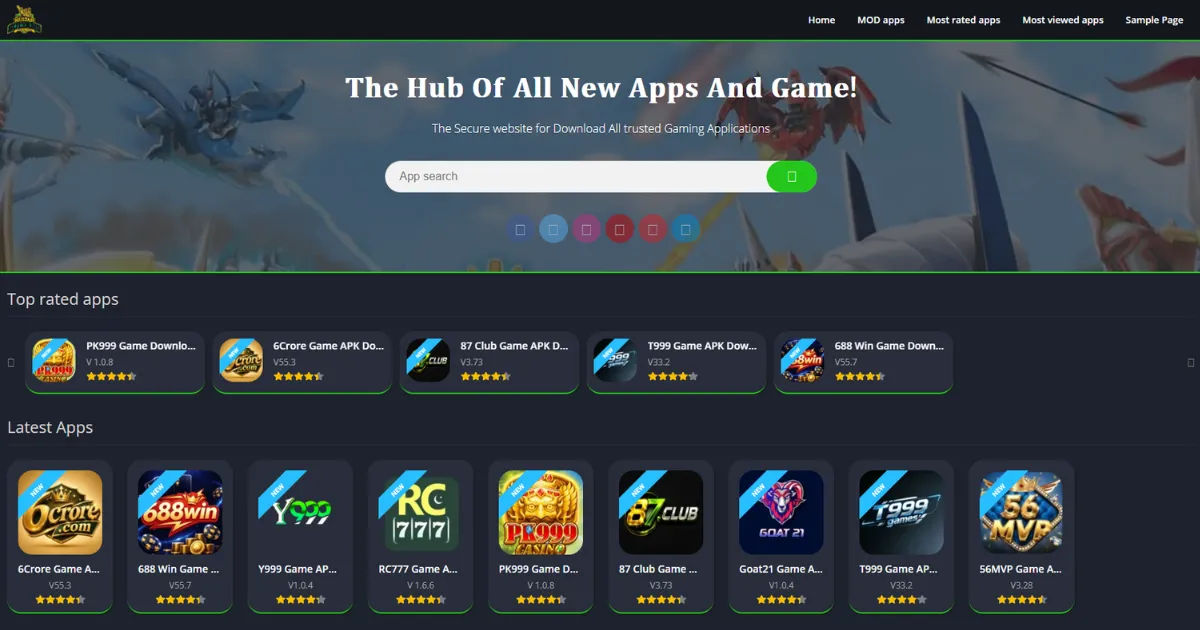
The Dk999 Game experience, like many modern online gaming platforms, depends heavily on responsive and well-designed controls that help players interact smoothly with the game environment.
Understanding how online gaming controls work helps players improve their skills and enjoy games more effectively. Controls are not just simple buttons or movements; they involve hardware, software, internet communication, and game design working together. This guide explains the main parts of online gaming controls and how they create a better player experience.
Online Gaming Controls
Online gaming controls are systems that allow players to send commands to a game. These commands can come from keyboards, touchscreens, controllers, or other input devices. When a player presses a button or moves a joystick, the action is converted into information that the game understands.
For example, pressing a movement key may tell a character to walk forward. Clicking a mouse may cause a weapon to aim or an action to happen. On mobile devices, tapping and swiping perform similar functions.
The purpose of controls is to create a direct connection between the player's thoughts and the game's response.
The Role of Input Devices
Keyboard and Mouse Controls
Many computer games use keyboards and mice because they provide accuracy and quick responses. The keyboard usually controls movement, abilities, shortcuts, and commands. The mouse is often used for aiming, selecting options, and controlling camera movement.
Competitive players often prefer keyboard and mouse combinations because they allow fast reactions and precise control. This is especially important in action games where small timing differences can affect results.
Game Controllers
Game controllers are popular for consoles and many PC games. They usually include buttons, triggers, and analog sticks. Analog sticks allow smoother movement because players can control speed and direction gradually.
Triggers are often used for actions like acceleration, shooting, or special abilities. The design of controllers helps players perform complex actions comfortably.
Touchscreen Controls
Mobile gaming relies heavily on touchscreen controls. Players interact directly with the screen by tapping, dragging, and swiping. Modern mobile games often include virtual buttons, movement pads, and gesture controls.
Good touchscreen controls must balance simplicity and accuracy because players do not have physical buttons to feel.
How Games Process Player Commands
When a player gives an input, the game follows several steps before showing the result.
First, the device detects the action. For example, a keyboard recognizes a pressed key or a touchscreen detects a tap.
Next, the game software receives this information. The game engine processes the command and decides what should happen.
Finally, the result appears on the screen. A character moves, an item activates, or a menu changes.
This process happens very quickly. In well-designed games, players barely notice the delay between their action and the game's response.
The Importance of Response Time
Response time, also called input latency, is one of the most important parts of gaming controls.
Low latency means the game reacts almost immediately after the player gives a command. High latency creates delays that can make gameplay frustrating.
Several factors affect response time:
- Device performance
- Internet connection quality
- Game server speed
- Controller or keyboard quality
- Game optimization
Online competitive games especially require fast response times because players are competing against real people.
Online Connection and Multiplayer Controls
Online games add another layer because player actions must travel through the internet.
When a player performs an action, the information is sent to the game server. The server processes the command and shares updates with other players.
For example, in a multiplayer battle game, when one player moves or attacks, the server must communicate that action to everyone involved.
A strong internet connection helps reduce delays. Poor connections can cause lag, where actions appear slower or characters move incorrectly.
The Role of Game Engines
Game engines are the foundation behind modern gaming controls. They contain systems that handle movement, physics, animations, and interactions.
When a player provides an input, the game engine decides how that action affects the game world.
For example, if a player presses a jump button, the engine calculates:
- Character movement
- Jump height
- Gravity effects
- Animation changes
- Collision with objects
The engine combines these calculations to create a realistic response.
Customizing Gaming Controls
Many modern games allow players to customize their controls. This feature helps players create setups that match their personal preferences.
Common customization options include:
- Changing button layouts
- Adjusting sensitivity
- Creating shortcuts
- Changing movement settings
- Modifying camera controls
Customization is especially useful for experienced players who want faster reactions or more comfortable gameplay.
Why Control Design Matters
Good control design can make a game enjoyable, while poor controls can make even a great game frustrating.
Developers carefully test controls to ensure they feel natural. They consider factors such as:
- Ease of learning
- Player comfort
- Speed of response
- Accessibility
- Different skill levels
A beginner should understand basic controls quickly, while experienced players should have enough depth to improve their performance.
Future Improvements in Gaming Controls
Gaming controls continue to evolve with new technology. Motion sensors, voice commands, virtual reality systems, and advanced controllers are changing how players interact with games.
Virtual reality creates a more physical experience by tracking player movements. Motion-based controls allow players to use body movements instead of traditional buttons.
Artificial intelligence may also improve controls by creating smarter assistance systems that adapt to player behavior.
Conclusion
Online gaming controls are much more than buttons and movements. They are complex systems that combine hardware, software, internet technology, and game design to create interactive experiences.
From keyboards and controllers to touchscreen systems, every input method has a specific purpose. The quality of controls affects gameplay, reaction speed, comfort, and overall enjoyment.
The Dk999 Game and other online gaming platforms depend on smooth control systems to provide players with accurate and engaging experiences. As technology continues to improve, gaming controls will become even more advanced, making digital worlds easier and more exciting to explore.
Understanding how controls work allows players to appreciate the technology behind their favorite games and improve their own gameplay skills.