
A urine test is one of the most common and useful medical tests used by doctors around the world. It helps detect a wide range of health conditions by analyzing what is present in a person’s urine.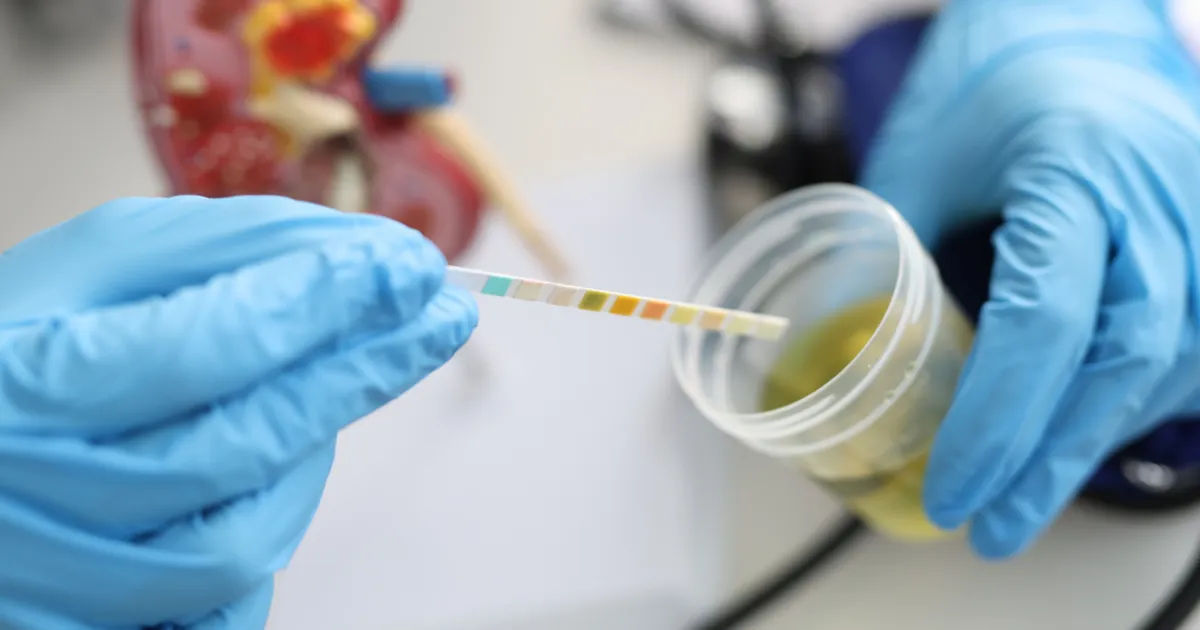
Since urine is produced by the kidneys and carries waste materials from the body, including can you freeze urine for a drug test, it can reveal important information about overall health. This guide explains what a urine test shows, how it works, what doctors look for, and why it is important in diagnosing diseases early.
Urine and Its Role in the Body
Urine is a liquid waste product made by the kidneys. The kidneys filter blood continuously, removing extra water, toxins, and waste substances. These waste products are then stored in the bladder and released from the body.
Because urine contains filtered waste, it reflects what is happening inside the body. Changes in urine can indicate infections, kidney problems, metabolic disorders, or even systemic diseases like diabetes.
What Is a Urine Test?
A urine test, also called urinalysis, is a laboratory examination of urine. It is simple, painless, and widely used in hospitals and clinics.
A typical urine test has three parts:
- Physical examination
- Chemical examination
- Microscopic examination
Each part provides different types of information about health.
Physical Examination of Urine
In this step, the urine is checked for its visible characteristics.
Color
Normal urine is usually light yellow. Changes in color may indicate:
- Dark yellow: dehydration
- Red or pink: blood in urine
- Brown: liver problems or severe dehydration
- Cloudy: infection or presence of proteins or white blood cells
Clarity
Healthy urine is usually clear. Cloudy urine may suggest infection or crystals.
Odor
Strong or unusual odor can be caused by:
- Urinary tract infections
- Certain foods
- Diabetes (sweet or fruity smell)
Chemical Examination of Urine
This is done using special test strips that react with chemicals in urine.
Protein
Normally, urine contains little or no protein. High levels may indicate:
- Kidney disease
- High blood pressure effects
- Infection or inflammation
Glucose (Sugar)
Glucose in urine is not normal and may suggest:
- Diabetes
- High blood sugar levels
Ketones
Ketones appear when the body breaks down fat for energy. This can happen in:
- Diabetes
- Starvation or fasting
- Low-carbohydrate diets
pH Level
Urine pH shows how acidic or alkaline it is.
- Acidic urine: may indicate high-protein diet or metabolic issues
- Alkaline urine: may suggest infection or diet changes
Blood
Blood in urine can be a warning sign of:
- Kidney stones
- Infections
- Injury
- Bladder or kidney conditions
Microscopic Examination of Urine
A sample of urine is viewed under a microscope to look for small particles.
Red Blood Cells
Their presence may indicate bleeding in the urinary tract.
White Blood Cells
These often suggest infection or inflammation.
Bacteria
Bacteria in urine usually indicate a urinary tract infection (UTI).
Crystals
Crystals may form due to diet or kidney stone risk.
Casts
Casts are tube-shaped particles that can show kidney disease when abnormal.
What Conditions Can a Urine Test Detect?
A urine test can help diagnose many health problems, including:
Urinary Tract Infections (UTIs)
One of the most common uses of urine testing. Signs include:
- White blood cells
- Bacteria
- Cloudy urine
Diabetes
Urine may show:
- Glucose
- Ketones
Kidney Disease
Possible indicators include:
- Protein
- Blood
- Abnormal casts
Liver Disease
May show changes in:
- Bilirubin
- Urine color
Dehydration
Often detected through:
- Dark-colored urine
- High concentration of waste
Types of Urine Tests
There are different types of urine tests depending on the purpose.
Routine Urinalysis
A general health screening test.
Urine Culture
Used to detect bacterial infections and identify specific bacteria.
24-Hour Urine Test
Measures substances in urine collected over a full day, often used for kidney function analysis.
Drug Screening Test
Used in specific settings to detect certain substances in the body.
How to Prepare for a Urine Test
Preparation depends on the type of test, but general guidelines include:
- Drinking normal amounts of water
- Avoiding certain foods if instructed
- Informing the doctor about medications
- Using a clean collection container
How a Urine Sample Is Collected
Most urine samples are collected using a “clean catch” method:
- Clean the genital area
- Start urinating into the toilet
- Collect midstream urine in a sterile cup
- Finish urinating in the toilet
This reduces contamination and improves accuracy.
Why Urine Tests Are Important
Urine tests are important because they:
- Detect diseases early
- Monitor chronic conditions
- Help doctors choose the right treatment
- Are quick, safe, and non-invasive
They are often used in routine checkups and emergency diagnosis.
Limitations of Urine Tests
While urine tests are useful, they are not perfect.
- Results may vary depending on hydration
- Some conditions require further testing
- Contamination can affect accuracy
- Not all diseases show up in urine
Doctors often combine urine tests with blood tests or imaging.
Factors That Can Affect Results
Several things can influence urine test results:
- Diet
- Exercise
- Medications
- Hydration level
- Timing of sample collection
It is important to follow medical instructions carefully.
When Should You Get a Urine Test?
A doctor may recommend a urine test if you have:
- Pain or burning during urination
- Frequent urination
- Lower back pain
- Fever with urinary symptoms
- Routine health screening
The Future of Urine Testing
Modern medicine is improving urine testing with advanced technologies. Future developments may include:
- More accurate early disease detection
- Home-based testing kits
- AI-based urine analysis
- Faster lab processing
These advancements will make diagnosis even more efficient.
Conclusion
A urine test is a simple but powerful diagnostic tool that provides valuable insight into a person’s health. By analyzing physical appearance, chemical composition, and microscopic particles in urine, doctors can detect infections, kidney disease, diabetes, and many other conditions.
Because it is quick, painless, and cost-effective, urine testing is widely used in medical practice. Understanding what a urine test shows helps patients become more aware of their health and the importance of regular medical checkups.
A single urine sample can reveal a surprising amount of information about how the body is functioning, making it one of the most important routine tests in modern healthcare.